Instructions
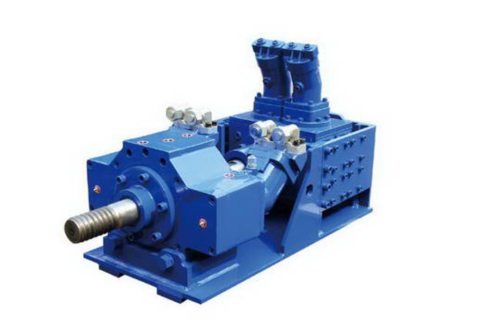
The YONDA YSD600 hydraulic vibratory drill head combines 115 Hz vibration with two-speed rotation and up to 11,500 Nm of torque. Applications include environmental investigation, groundwater monitoring wells, geological core sampling, shallow geothermal drilling and small water wells.
The two-speed rotation system provides a choice of higher speed or higher torque to suit ground conditions and tooling requirements. Robust construction and convenient access for servicing support routine maintenance and integration into suitable drilling equipment.
Key Features
• High-frequency vibration: 115 Hz vibration combined with rotary drilling.
• Two-speed rotation: Gear 1 offers up to 92 rpm and 5,750 Nm; Gear 2 offers up to 46 rpm and 11,500 Nm.
• Versatile applications: Suitable for investigation, core sampling, monitoring well and geothermal drilling projects.
• Serviceable construction: Designed for convenient servicing and routine maintenance.
Parameter

FAQ
1. What type of drill head is the YSD600?
The YSD600 is a hydraulic vibratory drill head that combines high-frequency vibration with rotation. It belongs to YONDA’s vibratory drill head range.
2. What applications is the YSD600 suitable for?
Applications include environmental investigation, groundwater monitoring wells, geological core sampling, shallow geothermal drilling and small water wells. Suitability depends on ground conditions, borehole dimensions, tooling and rig capacity.
3. What are the vibration frequency, rotation speeds and torque ratings?
The vibration frequency is 115 Hz. Gear 1 has a maximum rotation speed of 92 rpm and maximum torque of 5,750 Nm. Gear 2 has a maximum rotation speed of 46 rpm and maximum torque of 11,500 Nm. Actual output depends on hydraulic supply and operating load.
4. What hydraulic supply does the YSD600 require?
The catalogue specifies 280 bar operating pressure and 160–180 L/min flow for the vibration mechanism, and 205 bar and 170 L/min for the rotation mechanism. Rig selection must account for each circuit’s supply requirements, simultaneous operation and cooling capacity.


