Instructions
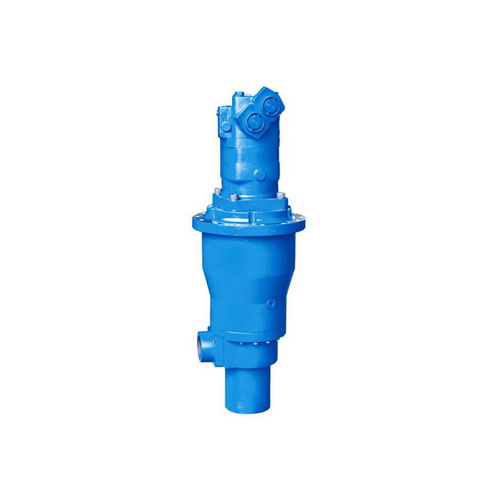
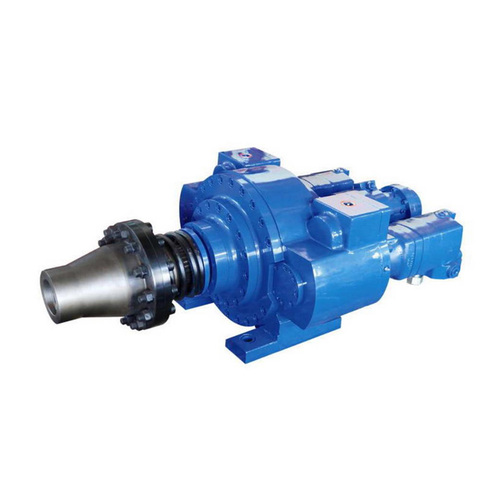
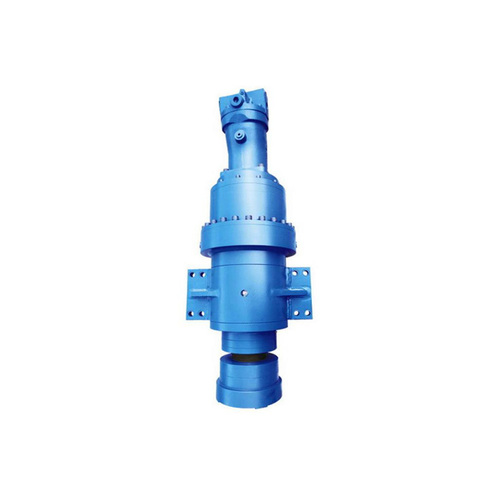
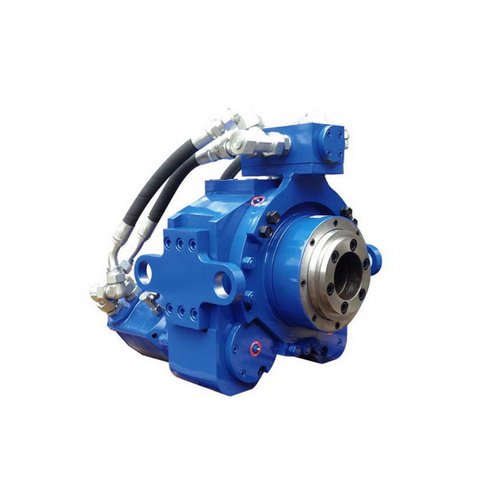
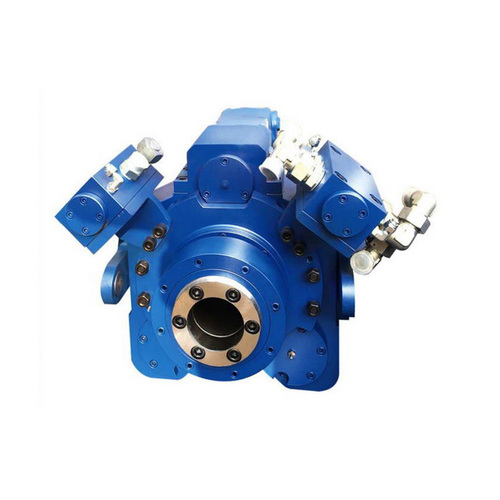
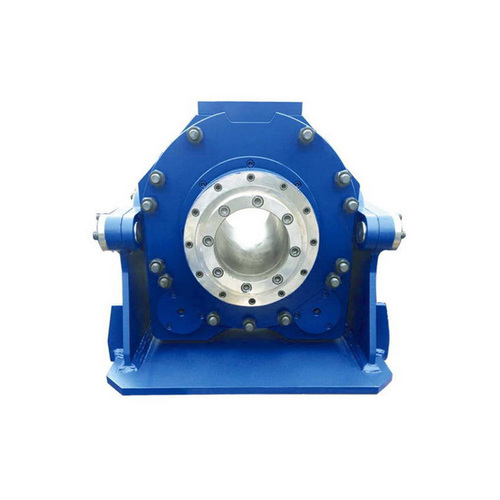
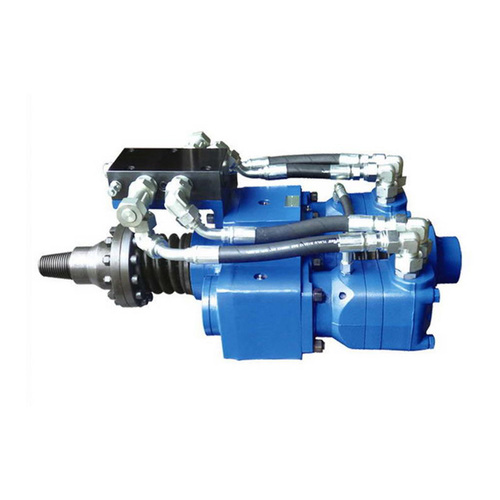
The YONDA YDR100A is a two-speed hydraulic rotary head designed for integration with drilling rigs and rotary drilling systems.
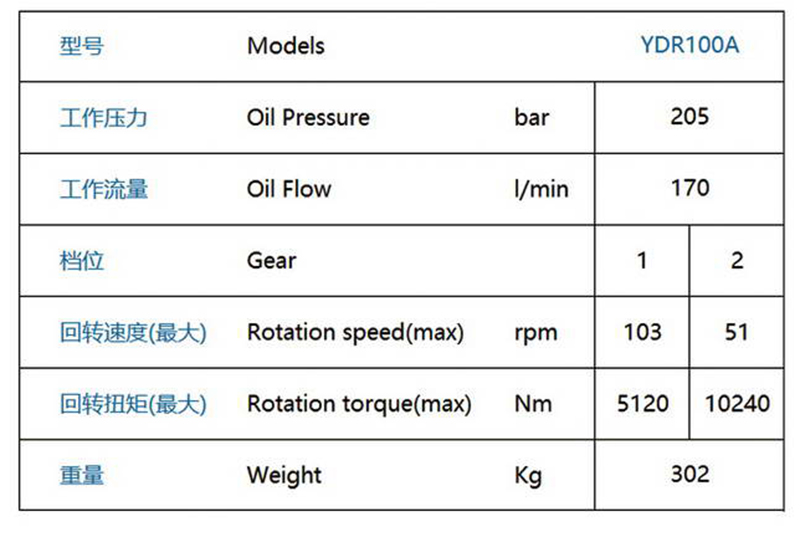
Equipped with a flange-type output shaft, the YDR100A provides two selectable rotation ranges through the hydraulic circuit. It delivers up to 103 rpm with 5,120 Nm torque in the high-speed range, or up to 51 rpm with 10,240 Nm torque in the high-torque range, allowing the operator to select the appropriate operating mode according to drilling conditions.
With a working pressure of 205 bar and oil flow of 170 L/min, the YDR100A provides a practical balance of rotation speed, torque and compact installation for a wide range of rotary drilling applications.
The rotary head can be integrated with different drilling rigs and drill-string configurations. Final compatibility should be confirmed according to the drilling method, hydraulic system, mounting interface and actual project requirements.
Key Features:
1. Two selectable rotation speed / torque ranges
2. Flange-type output shaft
3. Suitable for integration with hydraulic drilling rigs
4. Configuration can be matched according to actual drilling requirements
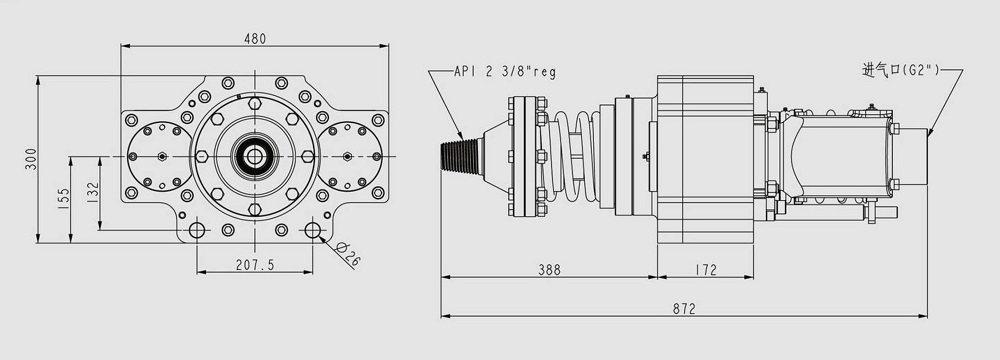
Parameter
Product video
FAQ
1. What is the YONDA YDR100A?
The YDR100A is a two-speed hydraulic rotary head designed for rotary drilling and integration with hydraulic drilling rigs. It provides two selectable speed and torque ranges to suit different drilling conditions.
2. What hydraulic pressure and oil flow does the YDR100A require?
The specified working pressure is 205 bar, with an oil flow of 170 L/min. Actual installation should be checked against the hydraulic capacity and circuit design of the drilling rig.
3. Can the YDR100A be installed on an existing drilling rig?
Yes, the YDR100A can be considered for integration with an existing hydraulic drilling rig. Compatibility depends on hydraulic pressure and flow, mounting dimensions, output connection, drilling method and required performance.
4. Is the YDR100A suitable for hard rock drilling?
The YDR100A provides rotary power rather than top-hammer percussion. For hard-rock applications, it may be incorporated into an appropriate rotary or DTH drilling system depending on the required drilling method, drill string and ground conditions.